UNDER CONSTRUCTIONWe are working to offer you the best experience. Thank you for your patience!
Sole Trade Srl Unipersonale · Via Paludicella 85 · 80057 S. Antonio Abate (NA) · Italyinfo@solefood.it · +39 08118857189
THE TRUE ITALIAN PEELED TOMATO

The product that still defines Italian tomato culture.

Whole peeled tomatoes are not simply tomatoes without skin. Their value lies in the fruit: elongated shape, full flesh, recognisable fragrance, balanced juice and the ability to become a sauce without losing identity.

Why the peeled tomato is unmistakably Italian

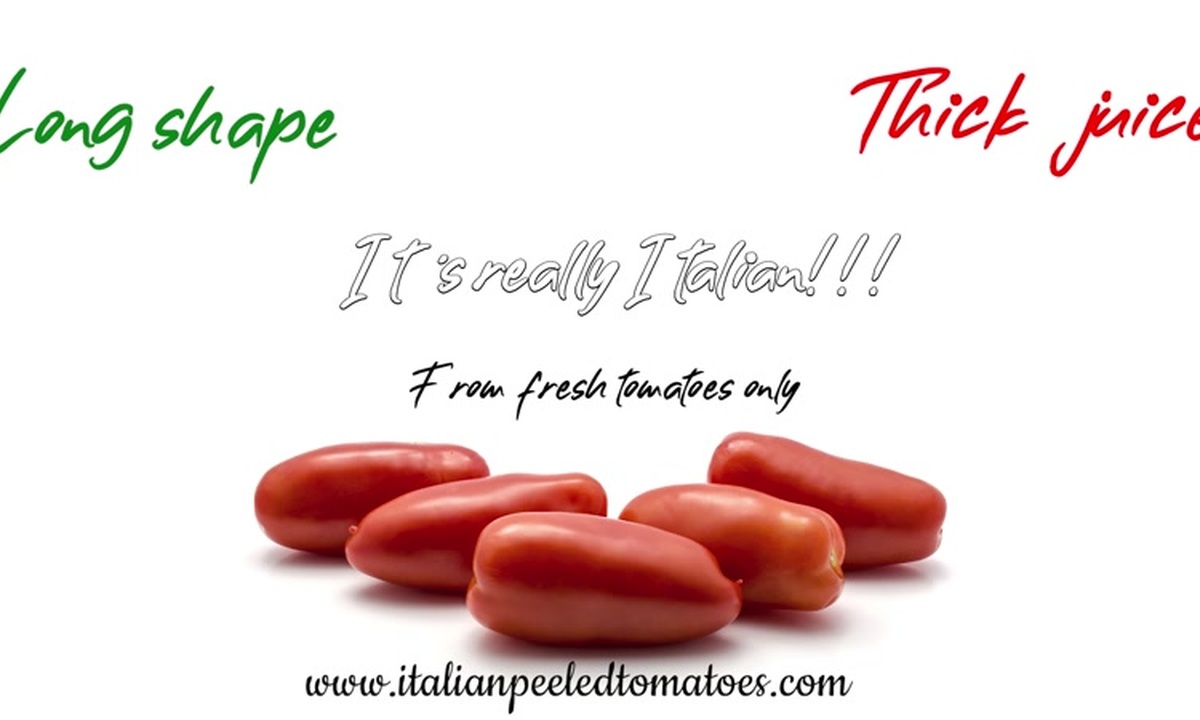
A quality Italian peeled tomato keeps the natural shape of the fruit. It is long rather than round, fleshy rather than watery, tender but not weak. When the can is opened, the aroma should recall ripe summer tomato and fresh processing—not only acidity or tomato concentrate. The colour is naturally red and may vary slightly from crop to crop because the product is agricultural, not manufactured to look identical in every season.

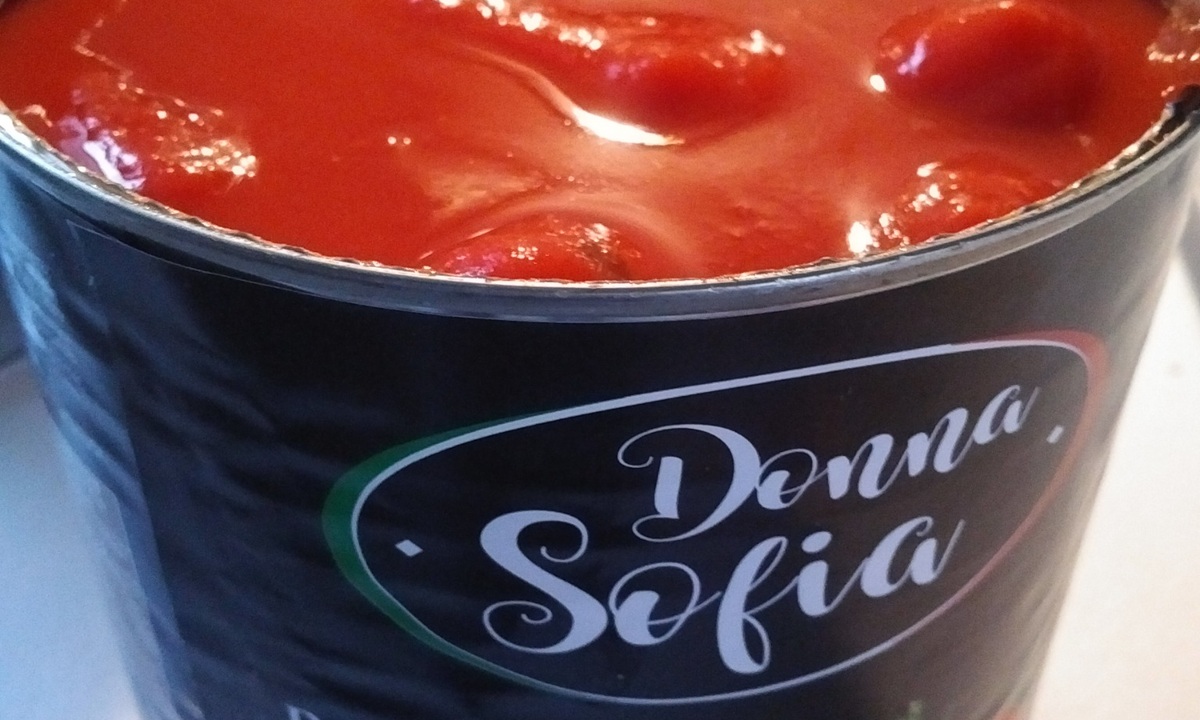
The juice is part of the product. It protects the fruit and becomes the base of the sauce. A good pack should offer a useful relationship between whole fruit, juice, consistency and flavour, so professional users can crush, blend or cook it according to the required result.

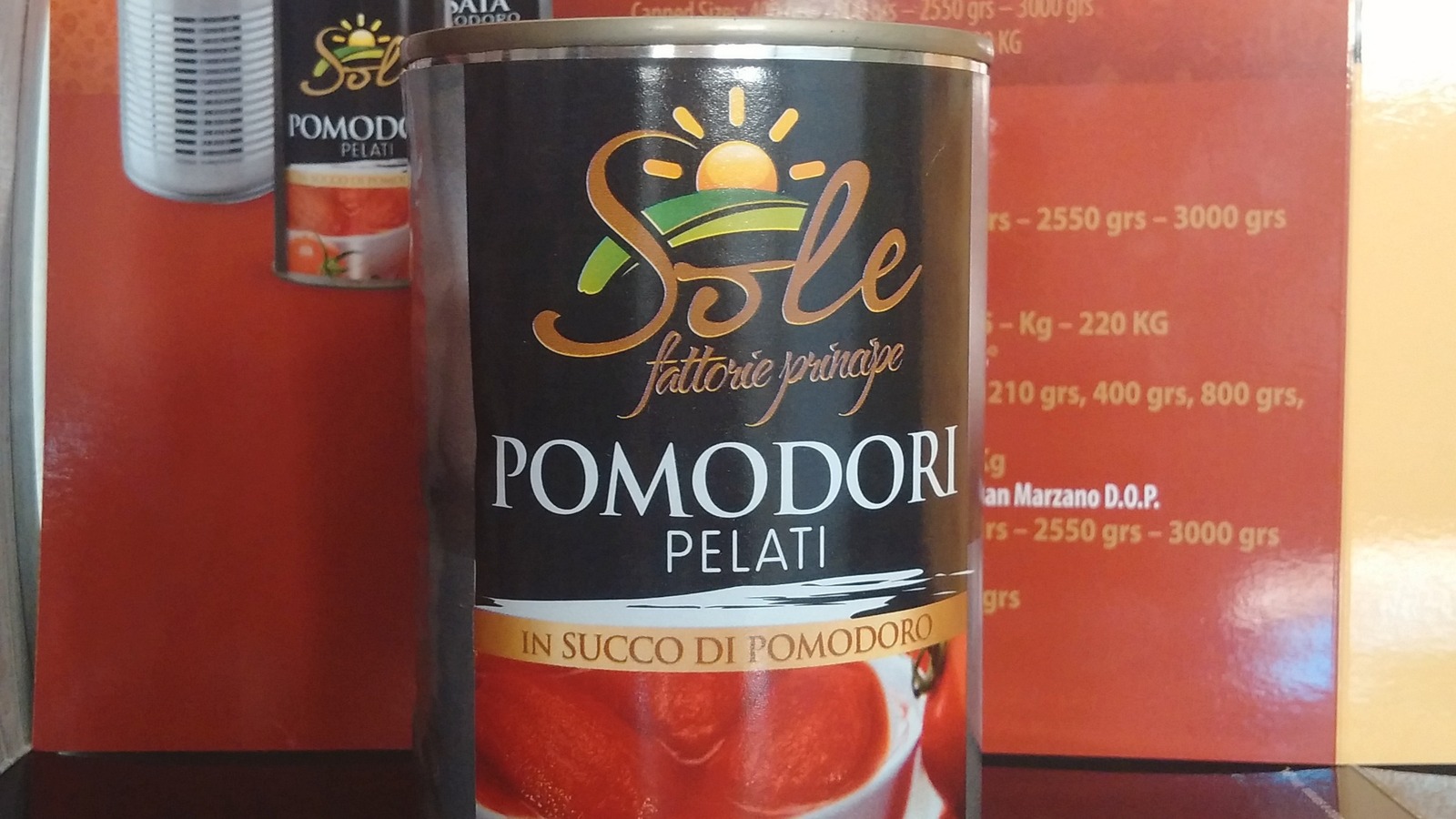
Whole peeled tomatoes
FROM FIELD TO CAN

The product begins in the field.

The long Italian tomato is selected for flesh, consistency, colour and suitability for peeling. The final result depends on agricultural quality as much as on processing discipline.

Long Italian tomatoesLong Italian tomatoes
Selection and controlSelection and control
Peeling and productionPeeling and production
The finished peeled tomatoThe finished peeled tomato

Long, fleshy fruit

The elongated profile is one of the visual characteristics most closely associated with Italian peeled tomatoes. The flesh should be substantial enough to withstand peeling, filling and heat treatment, while remaining soft enough to break down easily during preparation.

Fresh, recognisable fragrance

Aromas vary naturally, but a good product should open cleanly, with a ripe tomato note and no unpleasant cooked, metallic or fermented smell. This first impression matters in professional kitchens because it often anticipates the flavour of the finished sauce.

Balanced tomato juice

The packing juice should not be treated as empty liquid. Its density, colour and tomato content influence yield and final texture. For pizza or fast sauces, a buyer may prefer a thicker, more controlled pack; for longer cooking, a different balance may be appropriate.

Integrity and practical yield

Whole fruit allows the user to control texture. It may be hand-crushed for a rustic pizza sauce, passed for a smoother result, or cooked slowly for pasta and prepared foods. This flexibility is one reason the peeled tomato remains a professional reference product.

FROM FIELD TO CAN

A short process designed to protect a delicate fruit

Tomatoes are received, washed and selected. After controlled heating, the skin is removed and unsuitable fruit is discarded. The peeled tomatoes are filled with tomato juice, sealed and thermally stabilised. Speed, temperature management, raw-material quality and inspection are decisive because the product must remain safe while preserving its natural characteristics.

  1. Harvest at appropriate ripeness
  2. Reception, washing and visual selection
  3. Peeling and removal of non-conforming fruit
  4. Filling with tomato juice
  5. Seaming and thermal processing
  6. Cooling, coding and quality control
Tomato processing
SAN MARZANO — A NECESSARY DISTINCTION

San Marzano DOP is a protected speciality. It is not a generic synonym for peeled tomatoes.

Authentic San Marzano dell’Agro Sarnese-Nocerino DOP must comply with its official production specification, geographical area and traceability rules. Sole Food treats it as a specific category. Our principal focus remains the wider family of high-quality Italian whole peeled tomatoes, selected according to the customer’s market, use and target specification.

FORMATS & USES

The correct format depends on who will use the product.

Retail 400 g

A familiar household size for supermarkets, ethnic stores and private labels. Suitable for consumers preparing one or two dishes without waste.

Retail 800 g

Useful for larger households and markets where peeled tomatoes are a frequent pantry product.

Foodservice 2.5–3 kg

Designed for pizzerias, restaurants, catering and professional kitchens. The specification should be chosen according to sauce preparation, drainage expectations and daily consumption.

Industrial and aseptic solutions

For larger users, recipes and transformation processes. Availability and minimum volumes depend on product and campaign.

Choosing the right peeled tomato: practical examples

Neapolitan-style pizzeria

Often needs whole fruit that can be crushed by hand, with controlled juice and a fresh tomato profile that remains recognisable after a short, hot bake.

Foodservice distributor

Needs repeatable specifications, strong can integrity, practical case formats and information that helps customers compare yield.

Retail private label

Needs product positioning, compliant label text, artwork coordination, carton development and a commercial format appropriate to shelf price.

Mixed-container importer

May combine peeled tomatoes with chopped tomatoes, paste, beans or other pantry products to broaden the assortment while using container capacity efficiently.

Tell us what your market needs.

Product, format, quantity, destination and label requirements are enough to start a concrete quotation.

Request a Quote
WhatsApp